“Wuthering Heights,” written and directed by Emerald Fennell (“Saltburn,” “Promising Young Woman”), premiered on Valentine’s Day and received mixed reviews amidst notable changes and character removals from the original book.
The film turns the story of Wuthering Heights into a clique, romantically invested love tale, which readers of the original will know is far from the entire story.
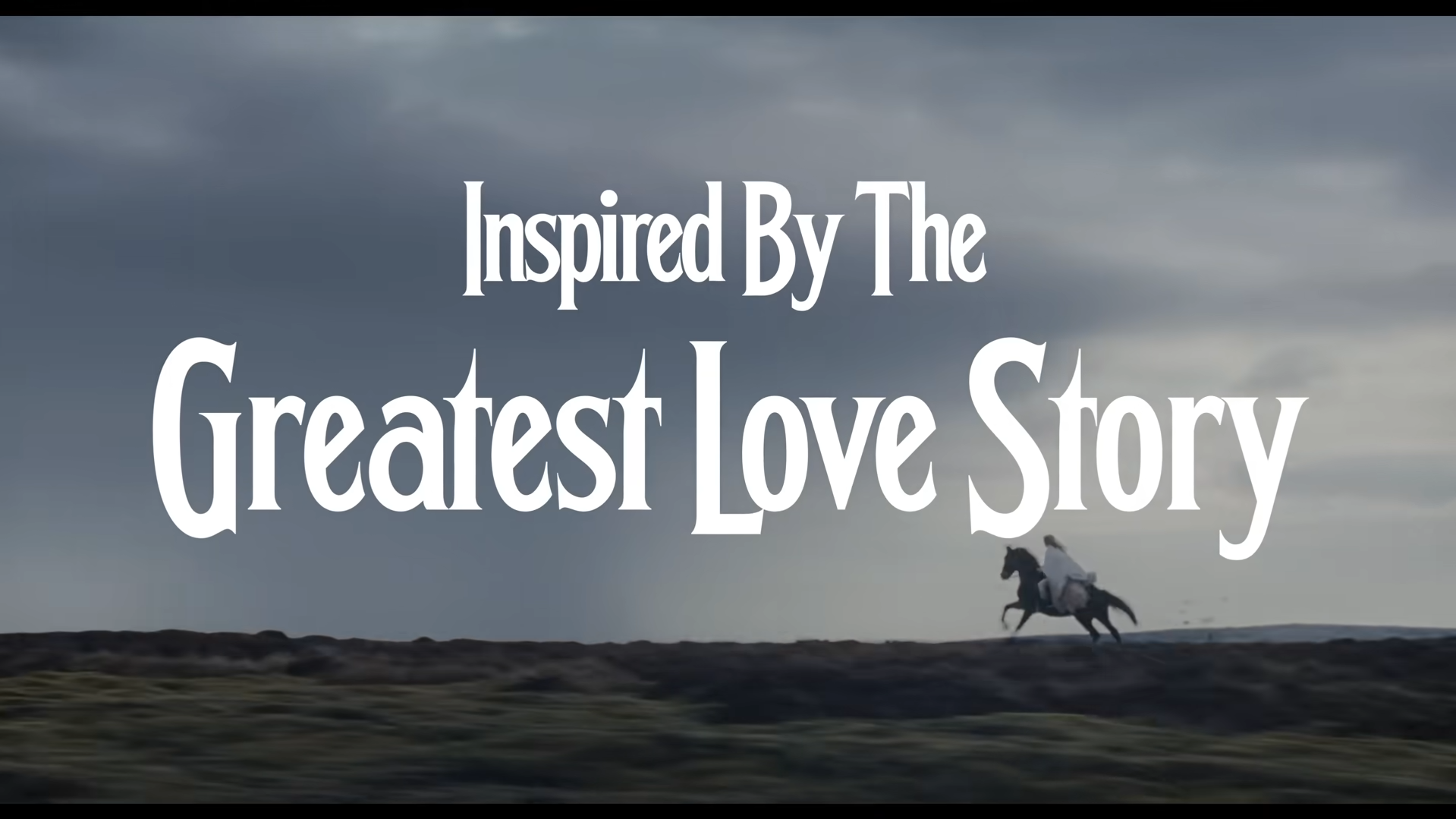
The main difference between the two stories is the tone. The 1847 novel, described in the trailer for the movie as “the greatest love story of all time,” is actually categorized as a gothic tragedy, showcasing depictions of mental, physical and domestic abuse in its relationships. The movie maintains remnants of these ideas but falls short in delivering on them, despite its 136 minute runtime.
Characters in the film are much less destructive than they are in the book, which is a massive tone-setter of the original. Heathcliff’s revenge-fueled relationship with Isabella Linton, portrayed by “Saltburn” actor Alison Oliver, is much less fleshed out in the film, with the inclusion of Heathcliff and Isabella’s child being completely absent.
The film also has Isabella consenting to being in a cruel relationship with Heathcliff prior to him engaging with her, and the two stay in a mutually-agreed abusive relationship. One scene in particular shows Isabella leashed under a fireplace, barking like a dog and winking after saying she doesn’t want to leave her and Heathcliff’s relationship.
In the novel, Healthcliff reveals his true intentions after manipulating her into marrying him, with Isabella regretting her actions and fleeing to London later in the story. The only character that seems faithful to the original is Hong Chau’s portrayal of Nelly Dean, who is just as dutiful as she is in the novel.
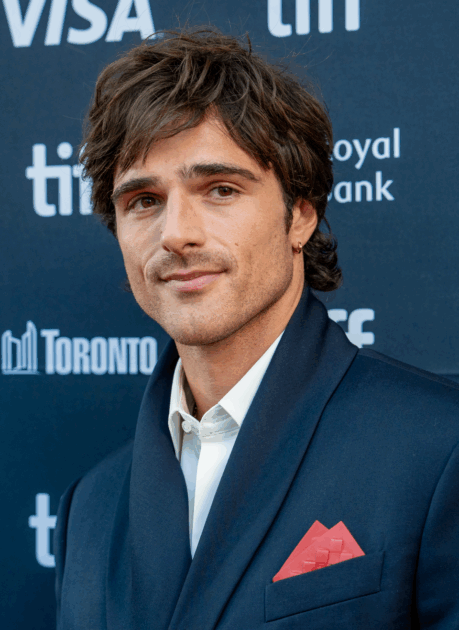
Heathcliff in the novel is a poor, “darkskinned” orphan, which adds tension to the already divisive love between a low-born child and a better-off white woman; however, in the film, Heathcliff is portrayed by Jacob Elordi.
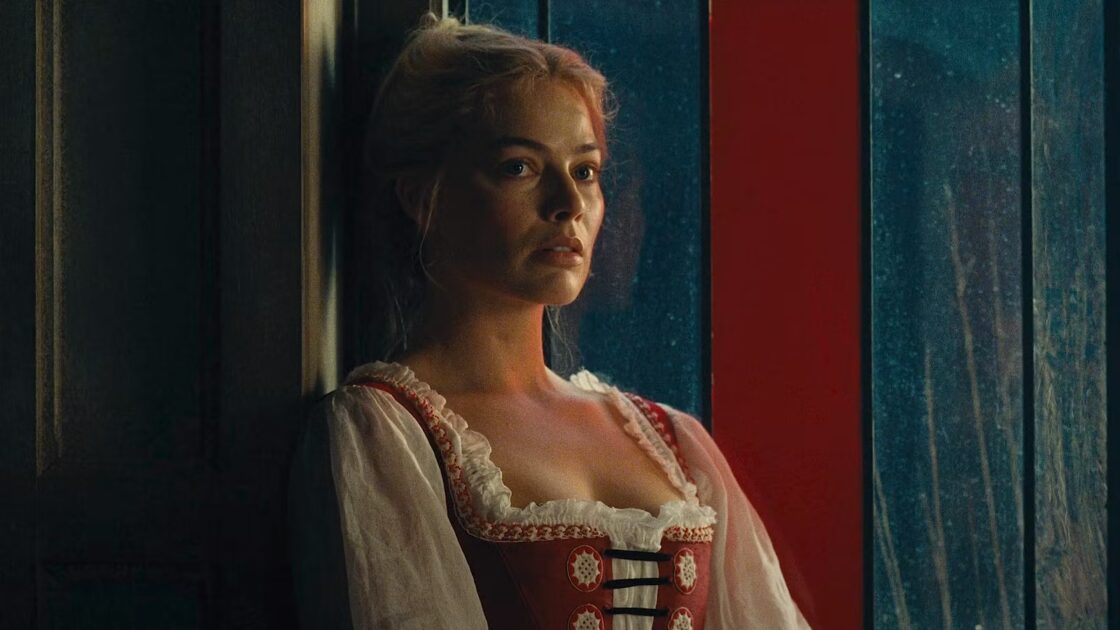
Margot Robbie, who portrays Catherine Earnshaw in the film, responded to backlash at this decision by saying “I saw him play Heathcliff, and he is Heathcliff” and telling audiences to “just wait.”
The book also dealt with much more unsettling taboos such as incest, animal abuse, and necrophilia, further adding to the dark tone. The film chooses to subdue the themes of the original for a more palatable story suited for mainstream audiences.
The film was partly scored by Charli XCX, an electronic pop artist, and while her song “House” became fairly popular on platforms like TikTok and Instagram, it and other songs from the movie’s soundtrack feel out of place with the dark setting and tone of the book. They also feel particularly out of place alongside the rest of the film’s score done by Anthony Willis, which feels much more gothic, similar to the book.
Only the first half of the novel was covered in the film, with entire characters such as Hindley, a main antagonist of the novel, being transformed into an alternate version of Catherine’s father with more abusive traits. This change removes some of the major tone setting events in the book that come from Hindley.
The film is also stylized with quotation marks around the title because Fennel said, “I can’t say I’m making ‘Wuthering Heights.’ It’s not possible. What I can say is I’m making a version of it.”
Critics and readers of the original can agree with her on that statement, with this adaptation presenting an almost entirely different narrative and characters than the original.