
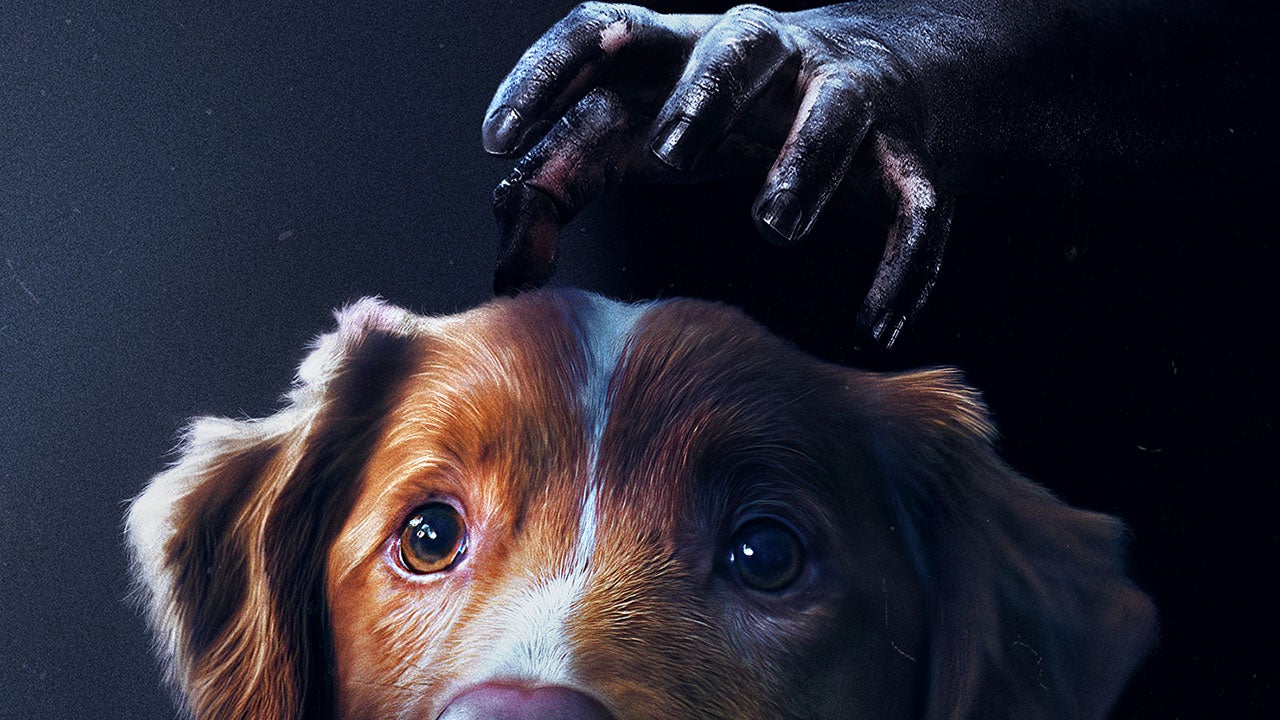
“Good Boy” premiered on Oct. 3 and was Ben Leonberg’s directorial debut, featuring canine lead actor Indy, a Nova Scotia duck tolling retriever.
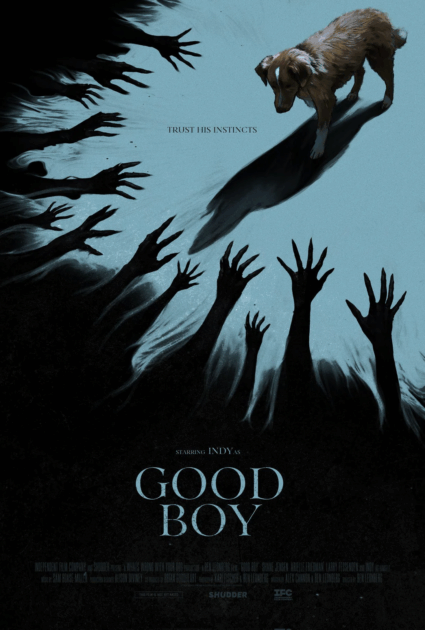
Indy is Leonberg’s real-life dog, and the haunted house showcased in the film is the Leonberg family’s actual home. The film was shot over a period of three years, naturally capturing a combination of Indy’s real reactions and leaving a lot of the performance up to the audience’s interpretation of Indy’s thoughts and feelings.
Despite Indy’s friendly appearance, “Good Boy” is a supernatural horror film that enunciates the horror aspect through use of tense music and disturbing visuals, often using low camera angles to replicate the perspective of the dog.
The film was independently produced by Leonberg and Kari Fischer under a production company they founded named “What’s Wrong With Your Dog?”
Leonberg said that the idea of “Good Boy” came from the golden retriever featured in the opening of “Poltergeist.”
Challenges arose early into production as Indy couldn’t directly be told how or where to act. Leonberg had to practically “make the movie around [him].”
“[W]e spent a long time trying to crack, could this work? How would you build tension the same way most horror and ghost stories do with actors?,” Leonberg said.
While the premise of “Good Boy” may be appealing to pet-lovers, it might not stand a chance alongside other successful theatrical releases around the same time.
The atmosphere of “Good Boy” is chilling, and its anxious camera angles tell the tone of the story better than Indy ever could have — even if he could speak; however, because of the film’s focus and dedication to its distinct visual approach, some of its other avenues fall short.
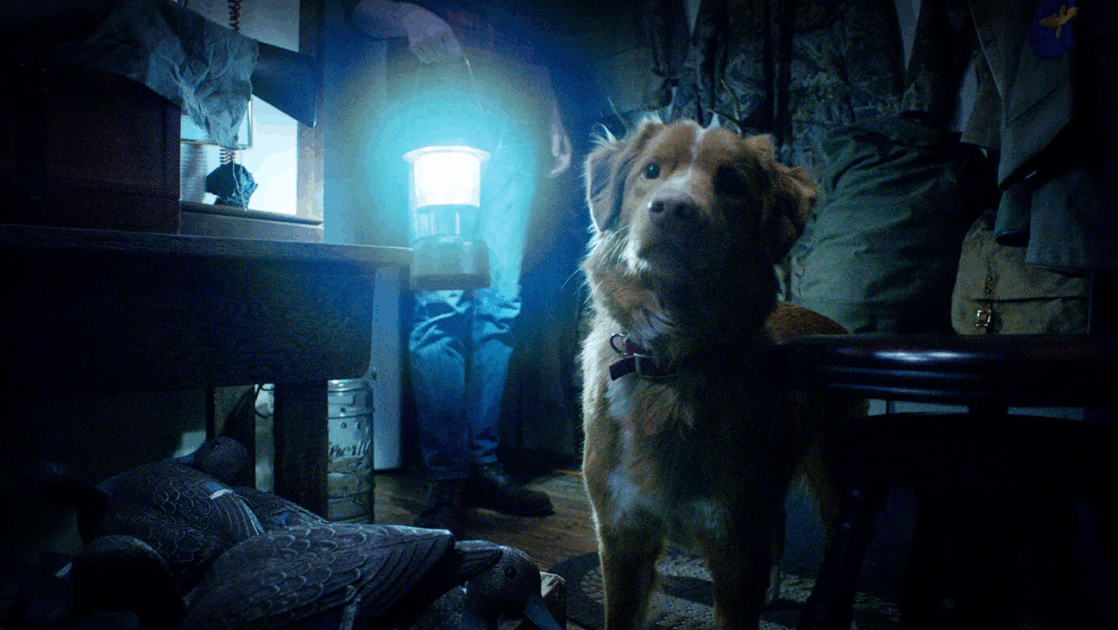
Firstly, the film ends up feeling like a fleshed-out short film in the sense that it ends abruptly. It leaves much to be desired in terms of an ending or explanation for the ‘monster’ in the movie.
As well as story issues, the film has a tough pacing problem, with its 73-minute runtime feeling much longer.
Despite these criticisms, Leonberg’s pushing of creative filmmaking in the theatrical sphere should not go unnoticed. The film has already won multiple awards, one being the “Howl of Fame Award” for “Best Canine Performance,” an award given by the South by Southwest Film & TV Festival.
Ultimately, the film tests the audience’s patience with its slow, quiet scenes, leading to generally favorable reviews from critics and audiences feeling underwhelmed by more story-related parts but satisfied by others.
It’s safe to say that the emotion Indy delivers, or at least the emotion Leonberg makes the audience feel with the use of different filmmaking techniques, is one that delivers an exceptionally unique experience that will definitely please dog-lovers, as well as possibly win over a few horror film gurus.