
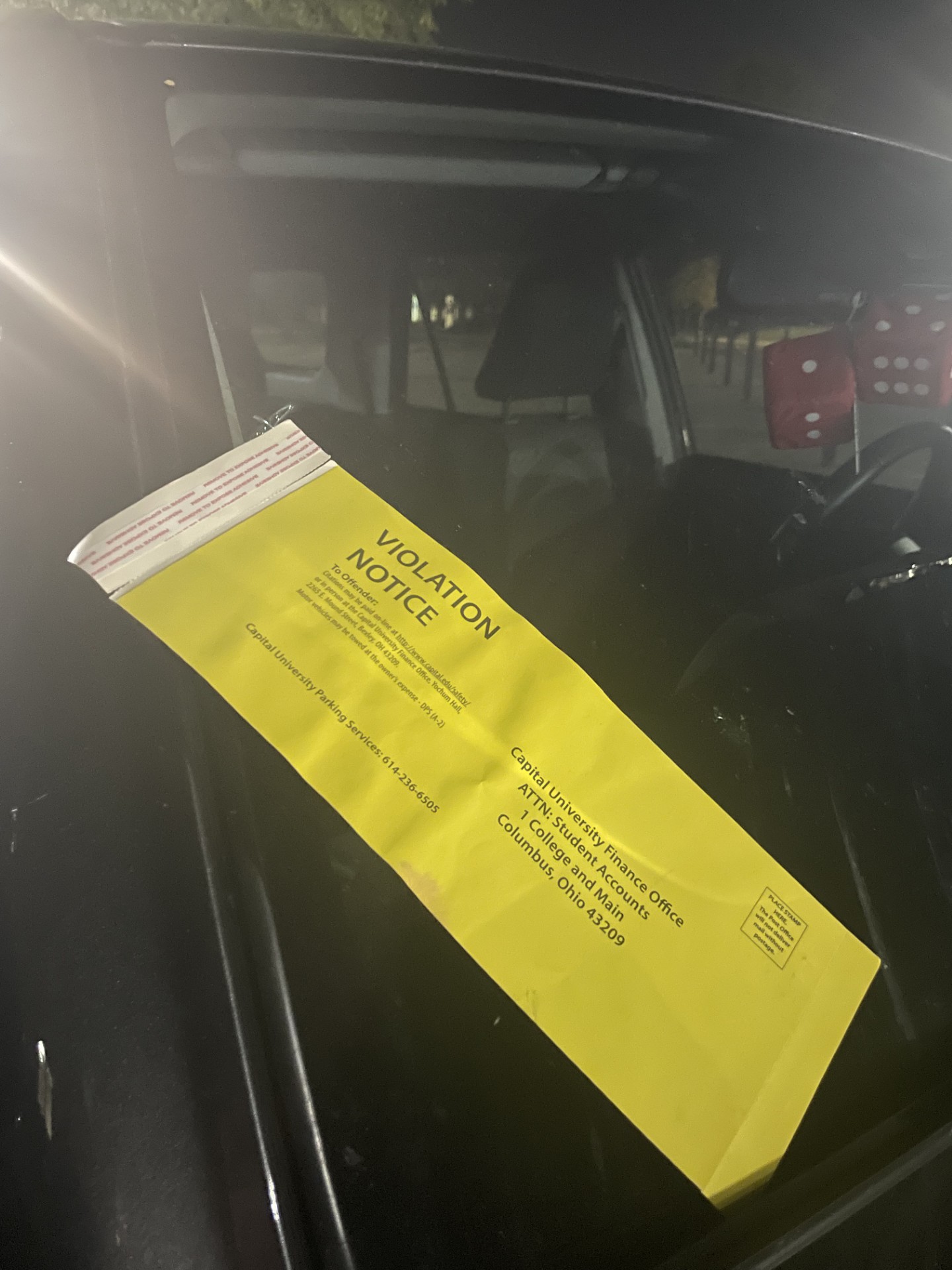
As the number of university parking tickets rise, university officials maintain they are strictly about education, not revenue.
“An average of 30 to 40 parking tickets are given per week,” said Kevin Gault, assistant coordinator for public safety. Using that metric, roughly 1,300 tickets are added up each semester.
Tickets are most common within the first few weeks of university as new vehicles arrive on campus, and students are still adjusting to parking regulations.
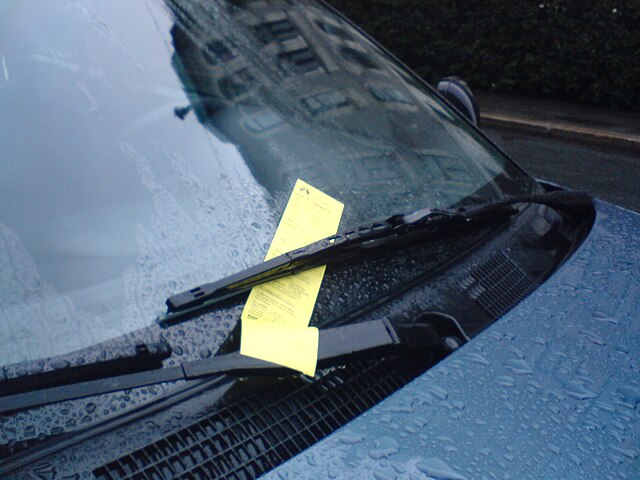
“There are more violations at the beginning of the semester,” Gault said. The most frequent violation is a failure to display a parking pass. Other common violations include parking in reserved spaces or blocking fire lanes.
“The revenue from the tickets go straight to the university,” said Scott Kunkle, the chief of the university’s public safety department. “It does nothing to help [Public Safety]. It goes strictly to the university.”
With an average of 1,300 parking tickets, the university is generating roughly $58,500 per semester from fines alone.
However, some students complain that the rules are not clearly communicated..
Case Mongold, a junior at the university, said he has received three tickets this semester.
Mongold acknowledged the first ticket was fair because he had not yet purchased a parking pass; however, he was then issued a second ticket while waiting for his pass to arrive.He was ticketed a final time when he went to the Public Safety office to pick his pass up.
Additionally, he said his experience of navigating parking becoming a trial-and-error process reflects what many students go through in the early weeks..
“The whole of the student body would benefit from a little bit more explanation of the rules,” Mongold said. He added that many students are left uncertain about the guidelines without clear instruction. “With such varying degrees of help on their end, it’s unfair to expect students to follow every rule.”
Officials emphasized that parking regulations are meant to keep order on campus, not create frustration. Without consistent enforcement, students and staff would struggle to find reliable parking.
Ensuring students park in designated areas helps maintain clear access for emergency vehicles, such as firetrucks and snowplows.
“We need to have areas that are clear from cars so that Beckey can plow them,” Gault said.
Kunkle said students need to have their vehicles registered for Public Safety to maintain contact with them, otherwise, there is “no way to contact” the student about their vehicle.
Public Safety officials also stressed that enforcement is not about profit.
“Enforcement is not about generating revenue for the university. In the broad scheme of things, we’re not talking about a lot of money,” Gault said.
“The whole amount generated from parking can be had from one student attending the school.”
Additionally, Gault stressed the role that fines has as a behavioral deterrent.
“It’s not about the money; it’s about getting students’ attention and modifying their behavior. The way to get people’s attention is a fine,” Gault said.
Both Gault and Kunkle encourage all students to reach out if there is any confusion about parking regulations.
They said the department is committed to helping students understand and follow regulations to ensure fair access and campus safety.
