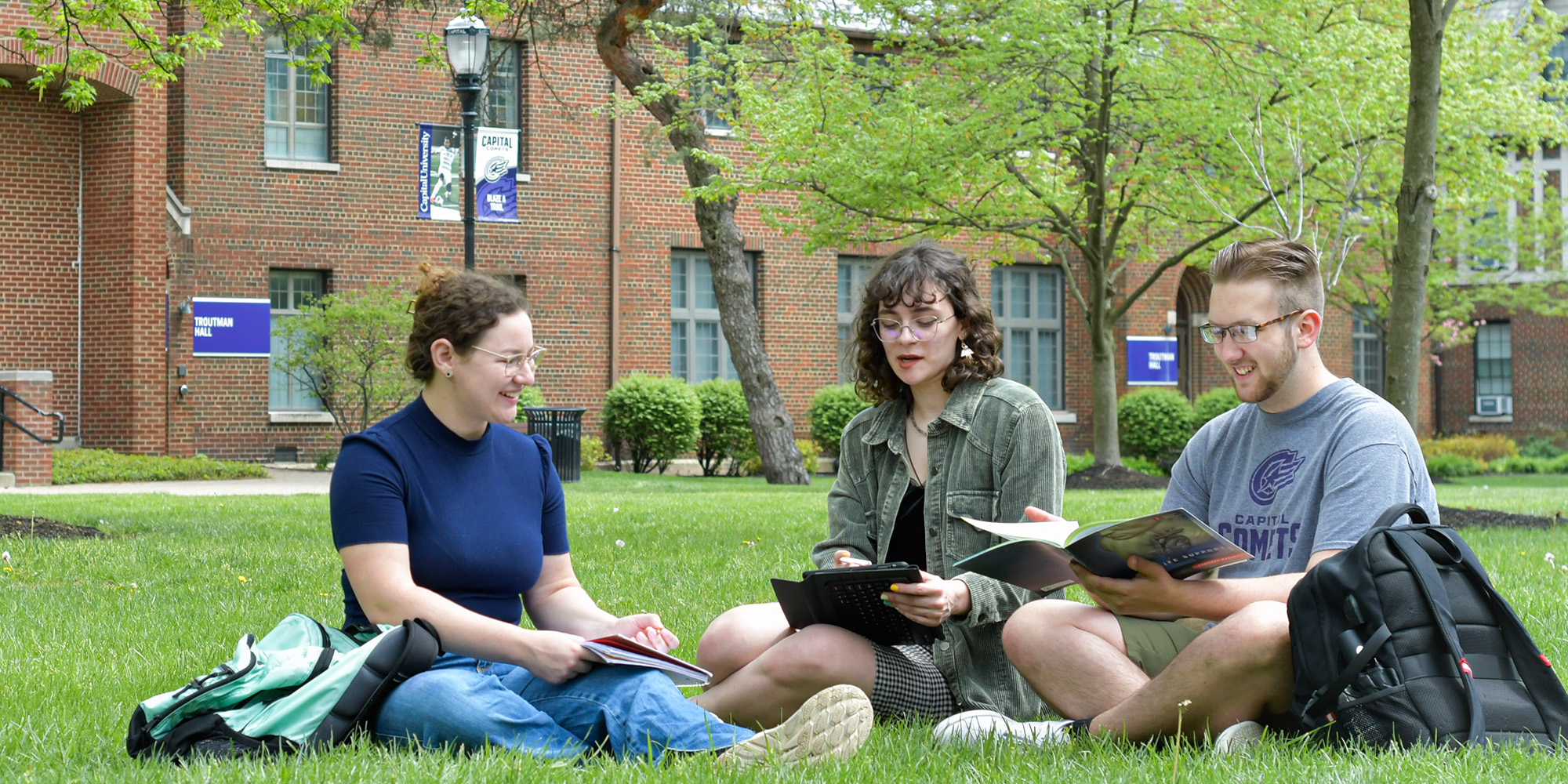
Summer courses are a way for students to free up their schedule and complete certain required courses for a slightly cheaper price per credit hour.
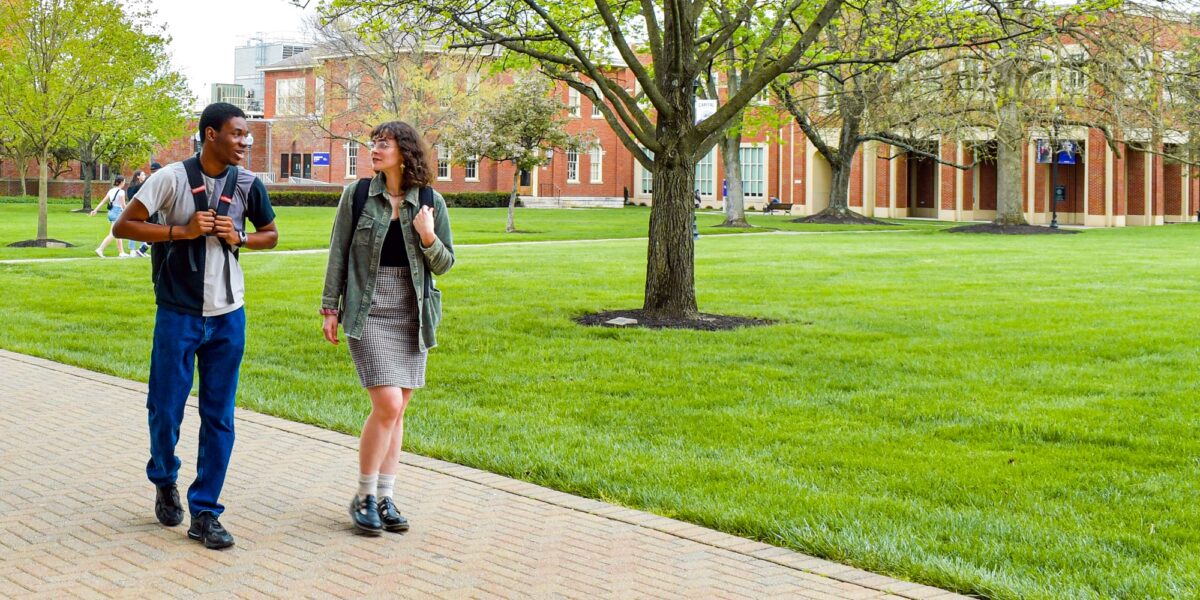
As per the university, summer courses cost $594 per credit hour for the 2026 academic year. Comparatively, the cost for full-time tuition is $22,550 per semester. Assuming the student is taking the maximum of 18 credit hours, each credit hour costs approximately $1236 per credit hour — a close to 50% discount.
The university is offering courses from nine different majors this summer, as well as some signature learning (UC) courses.
Summer courses can improve the student experience by giving students an opportunity to take more fun and engaging courses or electives during the fall and spring semesters with the space that has been freed by taking more general education courses during summer semesters.
Students aren’t the only ones that gain from this flexibility. An English professor at the university, Kevin Griffith, Ph.D., shared how he enjoys teaching summer courses, “especially now that they are online.”
Most summer courses are online, giving more flexibility to students who may have summer jobs or responsibilities that interfere with having a consistent schedule for classes, “so a student can be working or traveling and not worried about attending class in person,” Griffith said.
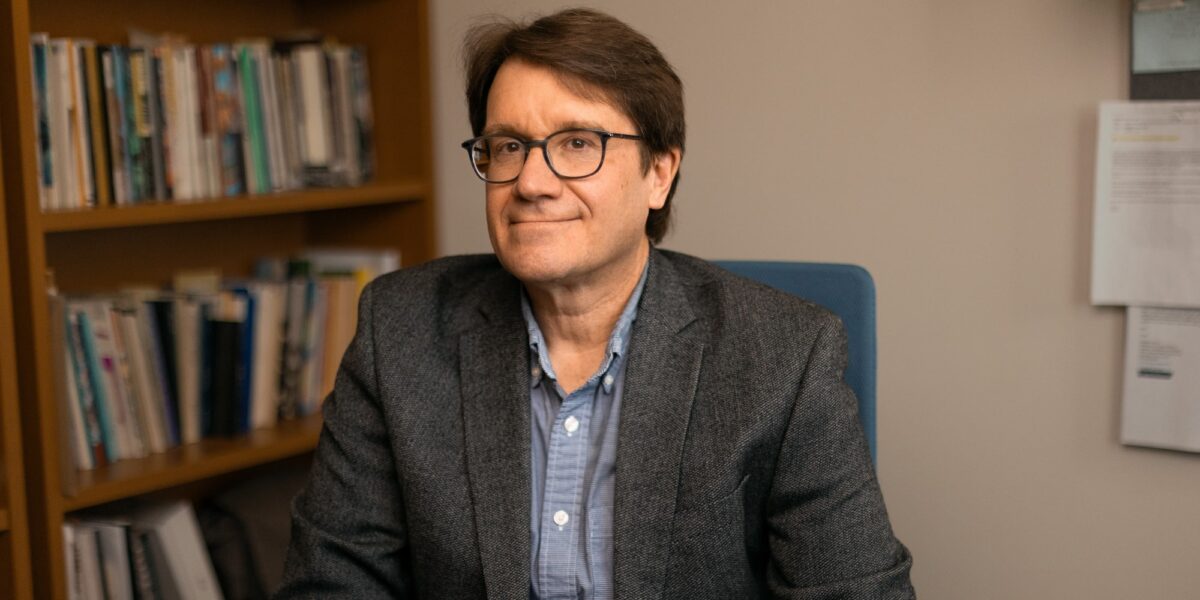
Griffith teaches Humanities, Creative Writing and English Language, among other courses, during summer semesters. “[S]ummer courses are different”, Griffith said. “They are much faster paced, as one must include a 15-week semester’s worth of work into about a six-to-seven week window.”
There is a hurdle stopping some students from taking summer courses, though: housing.
Housing for students taking summer courses costs $160 per week, meaning students could be spending upwards of $1,000 solely on housing during summer semesters.
According to the Associated Clinic of Psychology (ACP), summers away from education with strict deadlines and impending assignments are majorly beneficial to students.
On the other hand, months without any sort of academic activity can lead to students forgetting lessons and entire topics, and lower performance after returning to active education.
During the summer, the university also provides online courses via Acadeum, a course-sharing platform that the university describes as “a consortium of accredited higher education institutions sharing online offerings”.
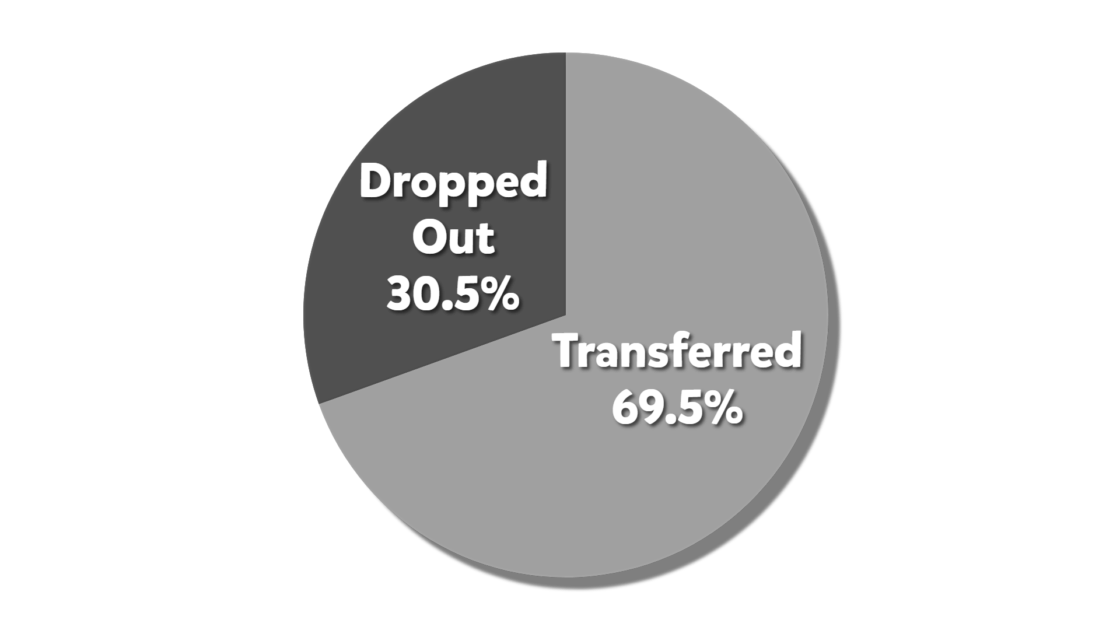
Based on a 2023 statistic, out of about 27% of students who did not complete their degree at Capital, 69.1% were due to transferring out.
Through Acadeum, students can take online courses at various universities and higher education institutions to, similar to those at the university, “earn credit, accelerate progress toward graduation, or retake classes to improve your GPA.”
When considering between a restful summer and taking on continued education, students should consider all of these, but most importantly, students should consider their time and their future.
According to Study.com, “students who take summer courses … may finish [their bachelor’s degree] in 3-3.5 years.” Summer courses give students the opportunity to finish their degree faster by taking a heavier course load during summer semesters or ensure they complete their degree on time by retaking certain necessary classes.
To determine whether summer courses are the best option for you, consider the cost, increased workload, faster paced environment and the positive or negative effect it has on your higher education timeline.