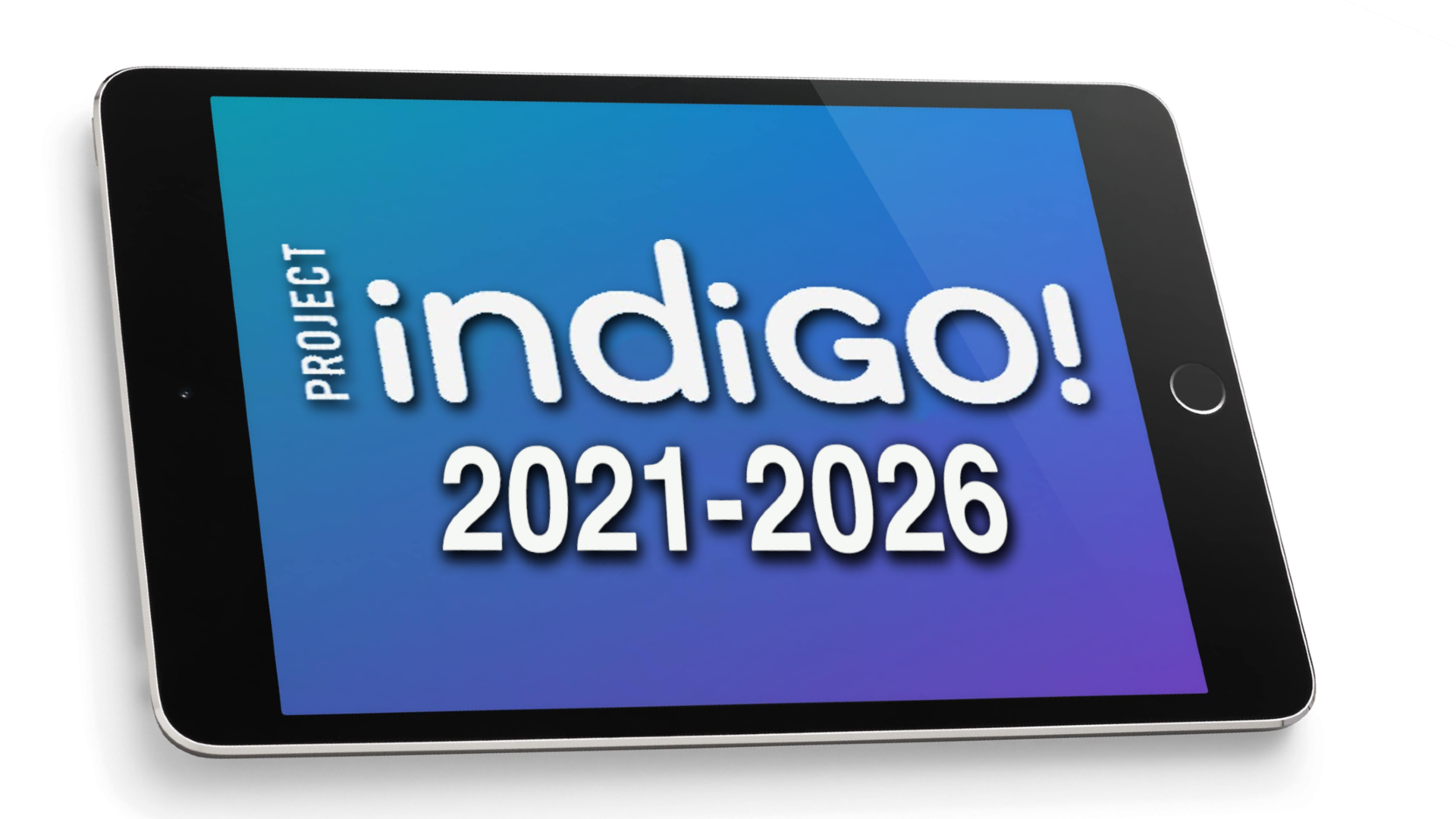
Beginning in Spring 2021, Project Indigo was the university program to provide all students, staff and faculty access to their own eighth-generation Apple iPad, and a first-generation Apple Pencil. Since the beginning of this fall semester, the university is no longer providing these for students, staff or faculty despite students being charged a higher university technology fee this academic year.
Project Indigo was initially designed to provide an equal access to technology necessary for higher-education to all students. After five years, the project has officially ended.
Starting during the spring semester of 2022, the university began publishing Capital Stories articles, taking a closer look at Project Indigo through different possible student lenses.
Each of these articles describe how Project Indigo, at the time, removed barriers and provided opportunities for students that could “transform the educational experience,” as well as a link with further information on Project Indigo; however, the link no longer functions.
Using archival websites such as Internet Archive’s Wayback Machine, a snapshot of the website from 2024 can be viewed.
On this now unpublished website, there is an FAQ section describing how the Project was funded:
“The University has been developing the digital infrastructure to support all aspects of this project for the last three years … The project is funded through federal and state dollars, the technology fee and generous donations from alumni.”
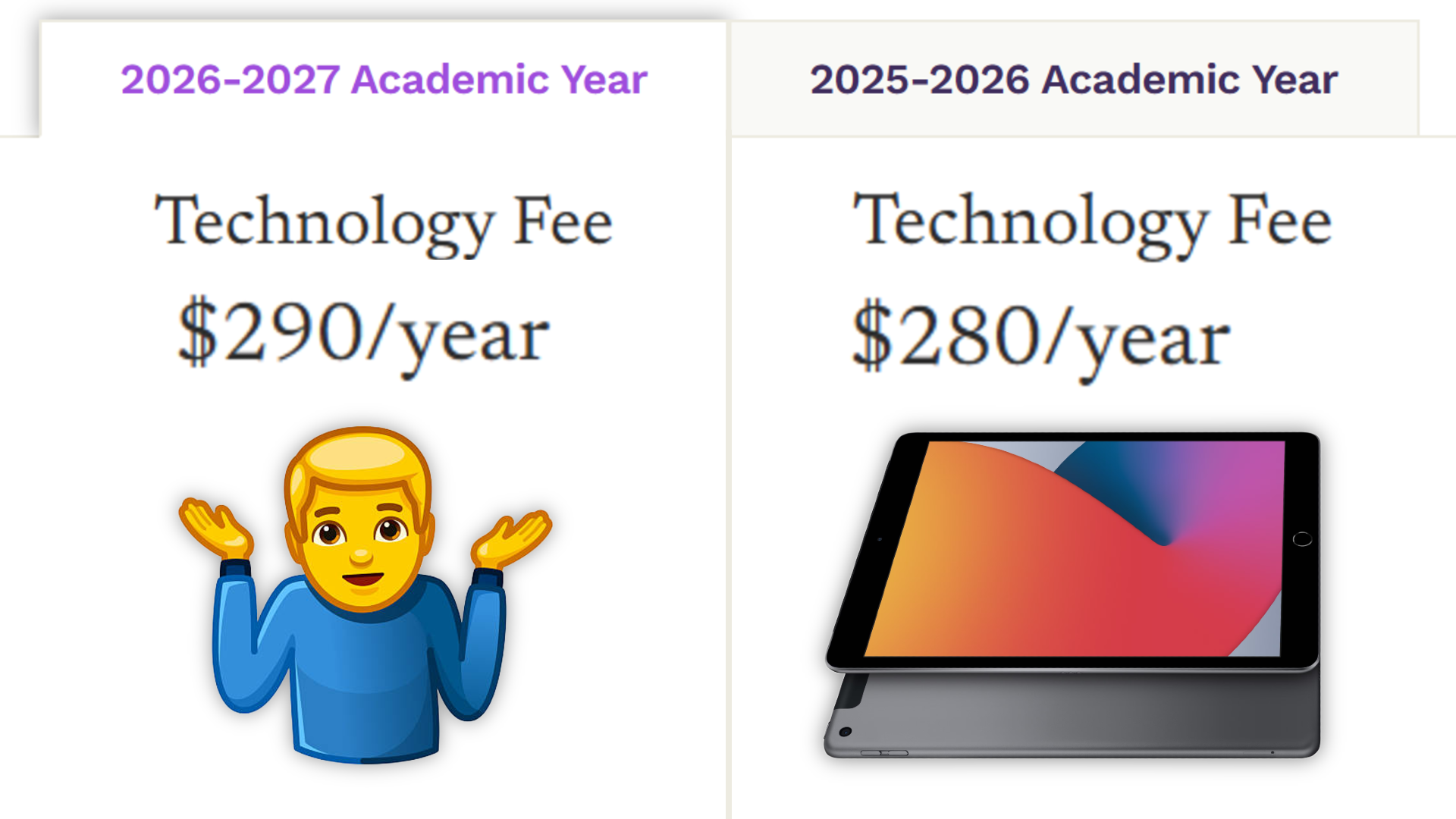
When news broke of Project Indigo’s ending, students were quick to question whether the now $145 university technology fee they get charged each semester was primarily contributing to how Project Indigo was able to be funded, considering this was a 3.6% increase compared to the previous academic year.
Despite Project Indigo ending and no more iPads being given to students, the technology fee increased by $10 annually.
In a snapshot of the Project Indigo website from May 2021, two months after the project started, the same quote mentioning how it was funded with the help of the university technology fee still appears.
The university’s YouTube account previously had a video introducing Project Indigo, which can still be seen attached on a Capital Stories article posted around the time of the project’s start; however, the video is now marked as private and unavailable.

Within the Capital Stories article, Knocking Down Barriers with a Screen: A Closer Look at Project Indigo, Jody Fournier, Ph.D., provost and vice president of learning up until last year, when he left to work with Baker University, talked about why Project Indigo started in the first place.
“[W]e began to see very clearly that access to technology changed the way we operate as an institution,” said Fournier. “It’s really about student success and leveling the playing field in terms of access to technology.”
Fournier announced in an interview featured in a GovTech.com article that Project Indigo started through a fundraising effort started by the university when the COVID-19 pandemic hit. Through donations, investment returns and federal pandemic aid, Fournier said they attributed $3.5 million to the project during its inception.
There is no mention of the technology fee in the article.