
Offices such as Student & Community Engagement, Residential & Commuter Life, Title IX, Accessibility Services, Center for Health & Wellness and Religious & Spiritual Life finally have their own collaborative department: the Student Experience division.
Previously, offices related to students’ experience outside the classroom were housed under Academic Affairs. Academic Affairs also organized everything to do with class offerings, professors and the registrar’s office.
The idea of a division specifically focused on students’ extracurricular experience is not something new to colleges or even the university.
“At one time, we did have a division that we called Student Affairs, and more than a decade ago, the university decided to merge the two divisions under what we called Student Learning and Development. When our last president … was leaving … there was a decision to move back to a more traditional model,” said Dr. Keirsten Moore, Vice President and Provost.
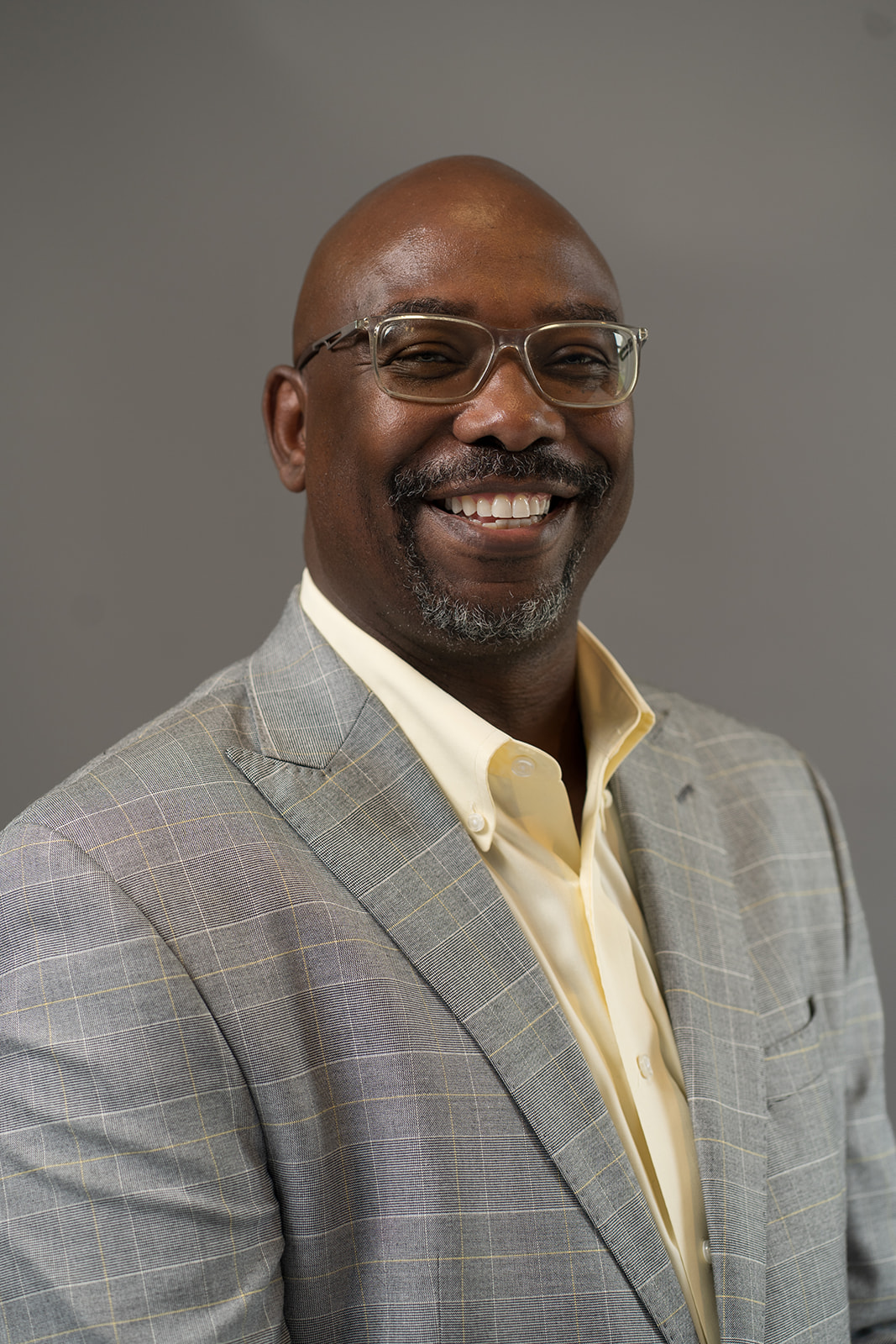
“When President Tice came in, we had already made that decision, [which] aligned with what most other institutions do, which is they have a division for Academic Affairs and a division for Student Affairs,” said Moore.
Creating this “new” division required hiring new faculty members.
Dr. Damon Brown, who has been working in higher education for thirty years, came into anew role as Vice President of the new division.
“My job is to make sure students have a transformative experience outside the classroom,” Brown said.
Now that these offices are under their own division, they meet as a department every other week and create shared goals.
“How do we get a culture of belonging here on campus? That’s something that all of our offices … wrap our arms around, because that’s kind of the silver string [of] the student experience. If a student feels like they belong here, they’re going to stay here,” said Brown.
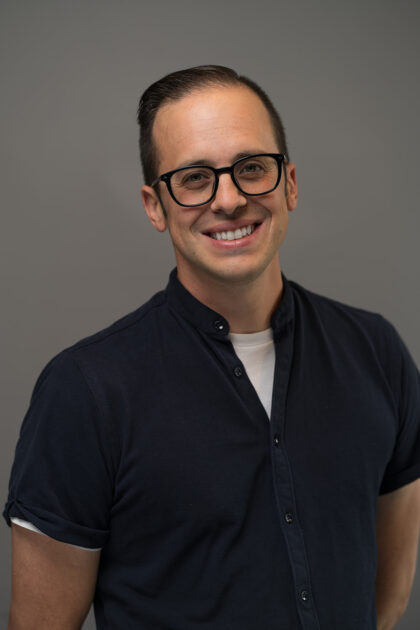
Another faculty member new to the university this year is Caleb Young, director of the SCE.
“A lot of the professional staff in the division are relatively new to campus. A lot of [our current work] is learning and trying to listen and trying to figure out, okay, how does [the university] work? What are the things that students really care about and we want to continue? And what are some of the things that maybe they would want to see changed?” said Young.
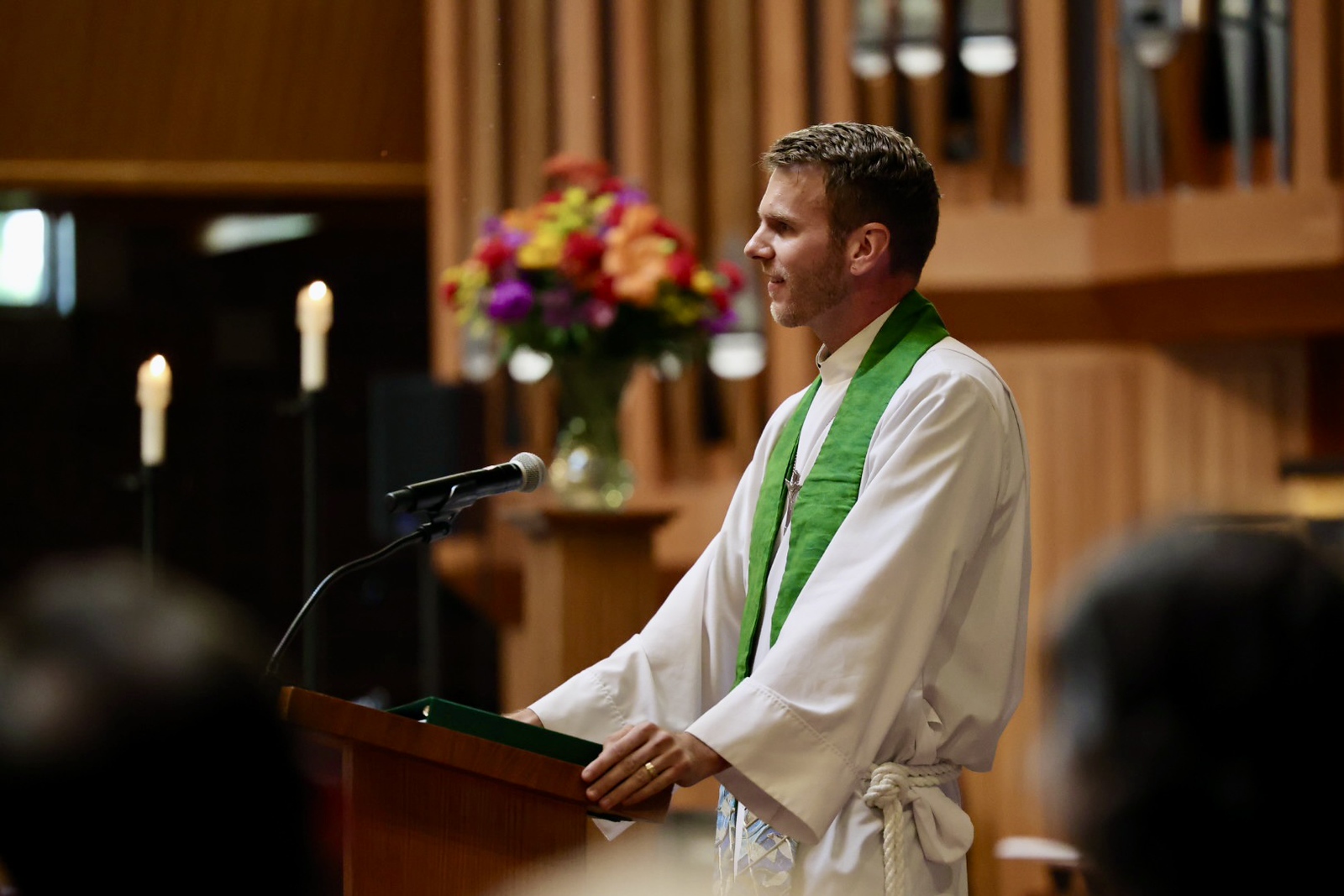
The university also brought in a new university Pastor and Executive Director of Religious & Spiritual Life, Rev. Dr. Ian McMichael.
McMichael graduated from Trinity Lutheran Seminary in 2019.
“I’m really happy to see that there is more of what I could call cross pollination between [Trinity and the university]. I think I crossed the street maybe once,” said McMichael.
“Lots of people in the [Student Experience] division are new … that probably presents some challenges with institutional memory. But I think it’s a really exciting thing to be able to sort of chart your own course, in a way,” said McMichael.
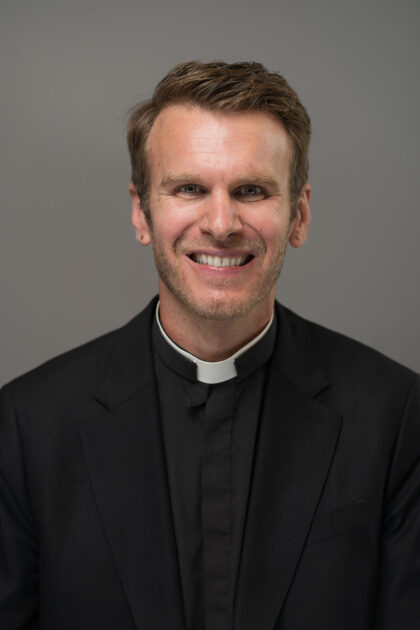
Similarly to Young, McMichael is also trying to determine which events in his office still serve students.
“Specifically in [Religious & Spiritual Life], there have been some long-standing things … Like the candlelight Thursday night worship service. That was a thing for decades. And I came in, and I’m wondering how that can be reimagined. If that still serves [students]. A student a decade ago is different than the student now,” said McMichael.
As the university enters its second century, new faculty and new departments are setting new goals and attempting to determine which practices should stay and which practices should be replaced with things that would better serve current and future students.
“The exciting part … for me is watching these talented young professionals do their work, and not do their work on behalf of themselves, but do their work on behalf of the students they serve every day,” said Brown.
