
Buying fast fashion leads to an insatiable need for more; your clothing quality declines, and new fashion trends appear every day. This leads to clothes that fall apart or are thrown out of your closet within a few months.
I have fallen into fast fashion trends but grew weary of clothes ripping or stretching after ten wears compared to clothes that were made decades ago.
So what has changed in the past 30 years?
Clothing companies switched to synthetic materials like polyester, nylon and acrylic in the 1990s. Synthetic materials are plastics sourced from oils, and they are cheaper than natural materials (cotton, linen, wool).
When these clothes are washed, they emit microplastics into the waterways and make up 75% of the Arctic Ocean’s microplastic pollution according to Eliot Pryor, a writer for Greenpeace.
This change gave companies the ability to make a larger profit. Instead of paying employees to produce high-quality clothes at a reasonable volume and price, companies pay employees less to make a million products at an average price and high volume.
By saturating the clothing market with new trends every day, consumers feel encouraged to stay present with new styles. Companies depend upon consumer’s rising demand in products, which creates an upward spiral between production and consumption.
Resources are then dried up by companies, employee treatment lowers (10–16 hour days, six days a week, for around three times below the minimum wage in their countries), and short-lived product usability is normalized.
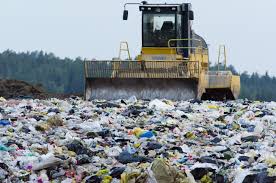
After all of this, “85 percent [of clothes] go to dumps each year,” according to Rashmila Maiti, a writer for Earth.org.
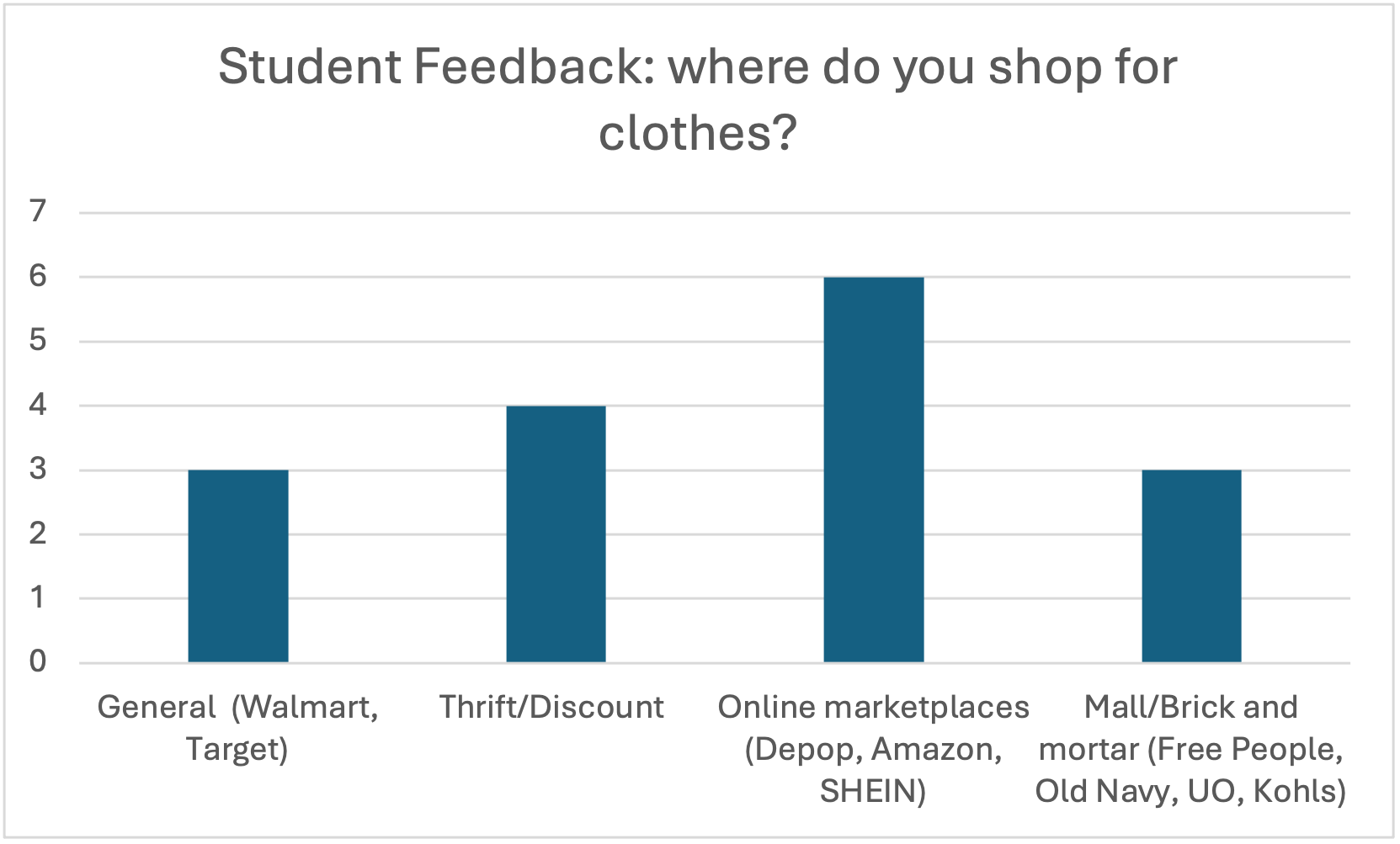
College students become susceptible to fast fashion trends largely due to convenience, size inclusivity, and affordability which drive their preferred shopping platforms. “[It’s] really hard to be sustainable in the current economy” said a university student on condition of anonymity.
When asked to rank their concern for fast fashion’s impact on the environment, where one represents not at all concerned and 10 represents being greatly concerned, four out of seven students ranked eight or nine, and the remaining three ranked five or lower.
Sustainability reforms are state-by-state in the U.S. The New York Fashion Workers Act, established in 2025, provides fair treatment and compensation to workers. This comes after the Fashion Act, mandating full environmental and production transparency from fashion companies.
While some students felt fast fashion can become ethical with proper reform, most needed more information about fast fashion brand practices and environmental impact.
Some ways to start making positive changes that are wallet-friendly and environmentally conscious include:
Mending, altering, and upcycling extends clothing life. You save money and time compared to buying new replacements.
Don’t chase trends—your personal style is unique!
Donate clothes to friends, family, and neighbors; donating to second-hand stores does not guarantee it will be on a rack instead of the landfill.
Check the materials tag, if it’s made from plastics, expect it’s not made to last long.
Invest in clothing with natural materials—you get more wear and spend less over time.
Research fast fashion brands guilty of greenwashing and unethical practices. Reach out to demand accountability or minimize shopping from them altogether (your wallet will thank you).
