
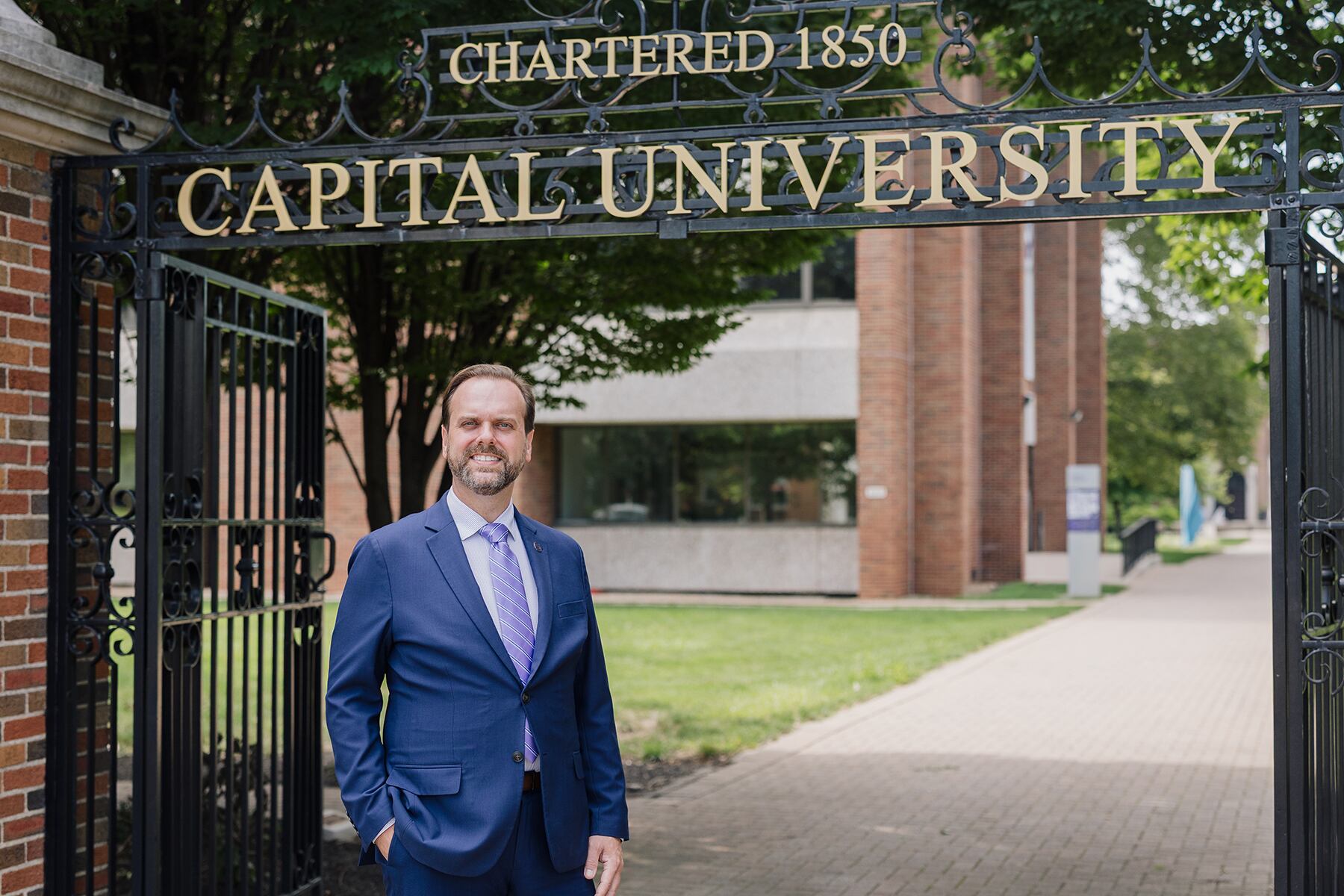
In late February, undergraduates received a letter signed by President Tice informing them of an overall 3% tuition increase for the 2026-2027 academic year. The $45,100 tuition price has students feeling concerned about the academic and financial sacrifices necessary to continue their education.
The university’s letter explains that the overall increase for traditional undergraduates is below the Higher Education Price Index estimate of 3.6% and promises to invest in academic programs and student life on campus.
Last year tuition increased by 2.3%, but when considering the past two years, tuition has been raised by a total of 5.5%.
The letter said, “The increase in room and board rates, approximately $1.90 per day, is due in part to rising energy, food, and labor costs.” which totals to around $130 per semester for students living on campus.
Students have described this as “an unnecessary increase [at] a time of need” — expressing their existing concerns about burnout while juggling more work hours to afford school. For many students who are surviving on campus provisions, the increase has felt underserved compared to the university’s mission to improve campus life.
Josiah Rose is a residential assistant and Speaker of the Senate for Student Government; he notes additional fee increases not mentioned in the university’s letter.
Conservatory and Nursing majors are among those impacted, facing a $20 increase in course costs per semester.
“Certain education classes are going up by [$50],” Rose said, regarding the addition to 594 and 603 Education courses.
In the letter, President Tice said, “We take seriously the concern that higher education represents a significant investment… [tuition decisions are made] with a focus on maintaining affordability while ensuring that students continue to receive a high-quality educational experience.”
Students feel the university fails to properly explain details on the matter, noting there needs to be fundamental updates to campus life before the university tries to implement another tuition increase.
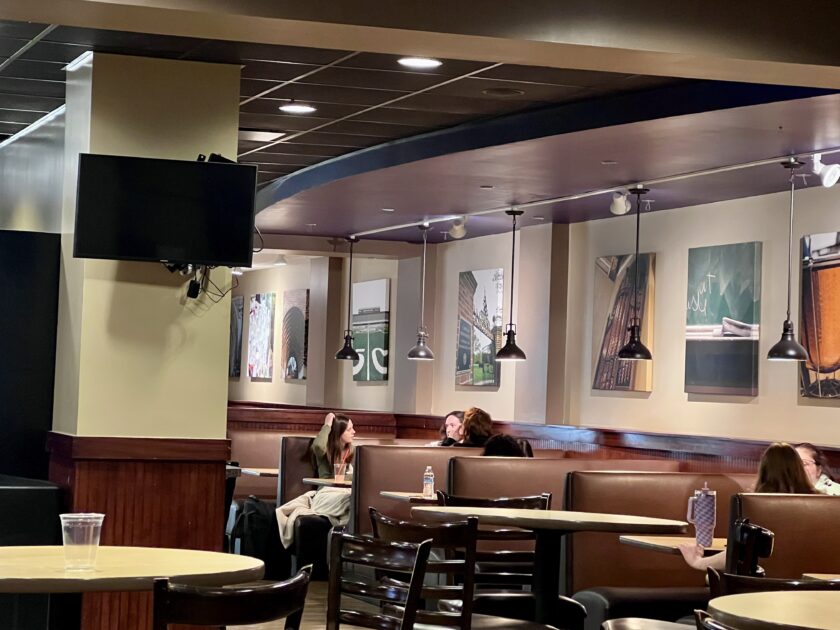
“New signs on the [conservatory]? What about working sinks in the women’s bathrooms?” said third-year conservatory major Hannah Laubacker.
Financial aid is extending the payment plan to five payments per semester. Another student said, “I [have to] take out more loans just to afford to get [into] a bare minimum [college,] I thought it would be cheaper compared to other colleges.”
For students, the reason a private university like this attracted them to attend was because they expected a good education at a decent cost — especially because most students have jobs so they can pay off student loans and tuition.
Fourth-year Niraj Poudel said, “Going to a community college and doing a 2-year program with OSU seems more viable than attending a private university.”
Others are concerned about enrollment and retention, which has remained around 75% for the last 10 years, and could be affected should the rising tuition trend continue.
“Students transfer [because when] they get here, [they] see broken amenities, inaccessible housing and mold/food safety concerns. [Most] feel private school should be better [since] it costs more,” Laubacker said.
Rose, like many others, speculates this is the university’s attempt to get out of debt, noting the purchase of Trinity Lutheran Seminary in 2020 being a large factor: “[in the] most recent numbers, [Capital is around] $35 million in debt as a university,” he said.
“[The university’s] financial breakdown is public every year. [Some] of the money just doesn’t make sense [as to] where it’s going,” he said. Since money is budgeted for areas such as housing, it is not specified where exactly the money is placed for improvement, and it’s difficult to determine what is changing.
Other financial investments to student life have been made by student-led organizations. Some investments being Student Government’s bill to revamp the volleyball court and patio by MDR, and Greek life’s investment in a new grill by Schaaf Lawn.
“Student Government just paid $4,000 to get cameras into all of the parking lots because a lot of them are broken, [and] the university wouldn’t [fix them],” Rose said. This issue is a security concern many students have held over the years.
“It’s all coming out of the university budget, in a way, but it’s being advocated for by students,” said Rose.
University leadership has not commented or addressed student concerns as of now. Still, students are asking for more transparency about specific budgets and spending that would justify another tuition raise. “[The university should] release year-end reports explaining the ‘why’ better to students,” said one student who wishes to remain unnamed.
Another student who wishes to remain unnamed said, “With an increase in enrollment, there is no need for [a tuition] increase; budget better.”
While the university is working to maintain a balance between student life and increasing costs of tuition, students hope that collaboration and action will be implemented to continue building campus life in all areas.
