
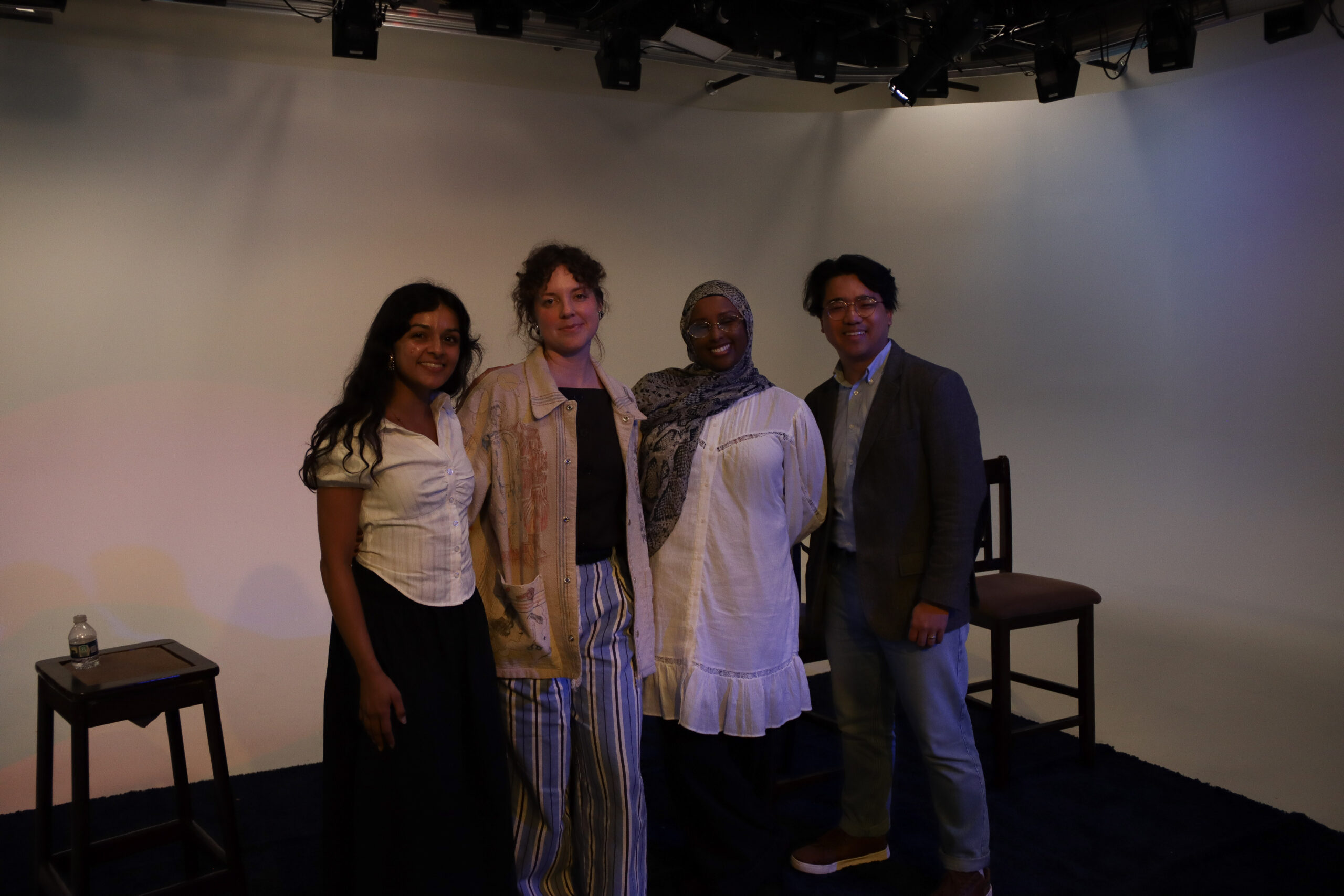
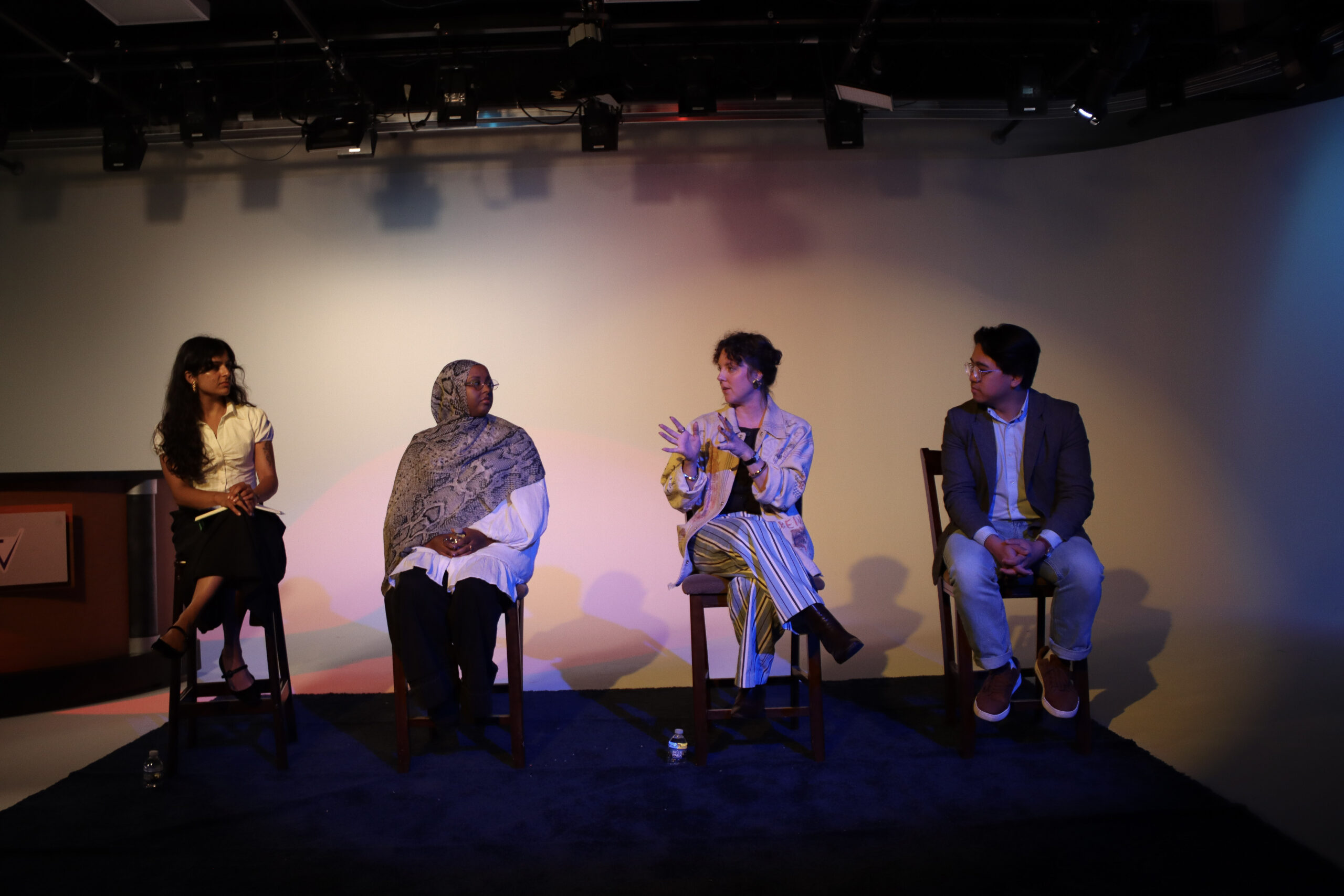
On Sept. 11, Cinema Columbus held one of their film festival programs, “Sightlines: Ohio Documentary Shorts,” at the Wexner Center for the Arts. The festival screened Dean Taylor’s, the university’s multimedia videographer, short film titled “home—work.” The festival showed seven short films in total and held a panel immediately following the screenings. The next day, another panel was held at the university’s Convergent Media Center.
“Home—work” is a documentary piece that follows Akeylah Wellington, a Columbus-based artist. The film depicts Wellington’s creative process and how she works through childhood memories of her mother’s former incarceration in her artwork. To Wellington, pony beads represent maternal care and girlhood. A major highlight of the film is when Wellington displays a baby book made entirely of pony beads, meant to replace her baby book that was lost during her mother’s incarceration.
In her capacity at the university, Taylor films and edits long-form and short-form videos, supports the university’s social media and helps with photography needs on campus. She also recently began a new role as an adjunct instructor, teaching workshops in subjects such as framing and composition.
Taylor started her own production company before she started at the university. She named the company “Evening Film” because the evenings are when she is able to work on her own creative projects. Throughout her life, she has balanced creativity with working 9–5 jobs.
“I don’t want to give up [the creative] side of me and what I’m most passionate about, but I do feel like I can incorporate it [in my work for the university],” Taylor said.
Taylor first met Wellington at the Ohio State University. “[Wellington] went to [Ohio State]. I saw her work there years ago, and I followed her on Instagram. She switched over to her pony bead tapestries, and I was hooked,” Taylor said.
Taylor only had two days with Wellington to film “home—work”: one day to film the B-roll footage and one day to interview Wellington.
“I wanted months with her because even after the screening at the festival, people were coming up to me obsessed with the baby book and obsessed with her voice and wanting a feature of her,” Taylor said.
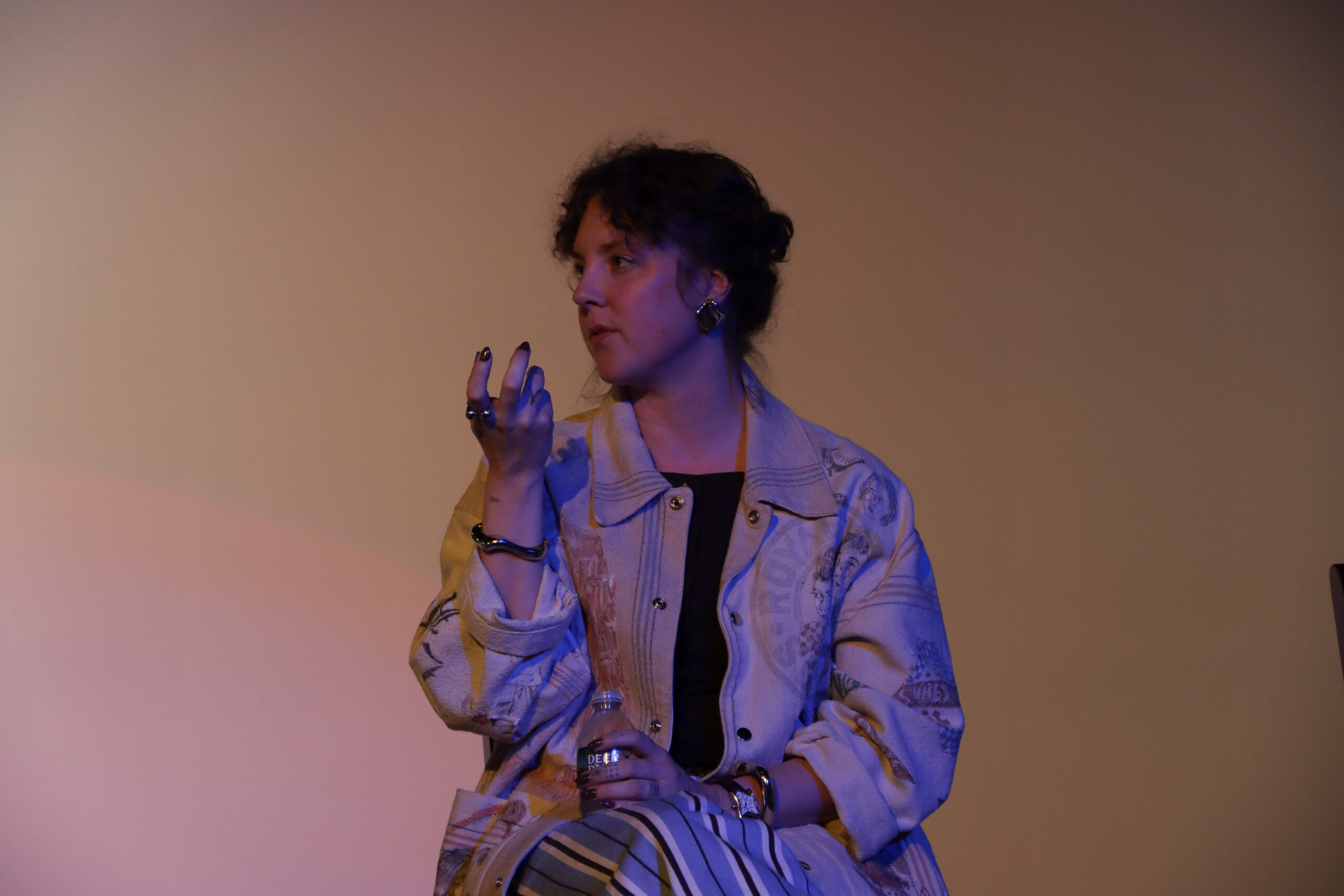
Taylor let Wellington take the lead during the filming process. Although Taylor was the “director” of the project, she explained, “I was not there to direct her in any way. I wanted her to talk about what she wanted to talk about because it was heavy with her mom being incarcerated.”
Wellington even chose the title of the short film.
“[Wellington] didn’t give me much of a description, but my assumption with it was she’s doing this work at home in her studio. She was doing the work of just getting through life and of being an adult.”
As a director, Taylor prioritizes care over sensationalism.
“Being able to share her story was so important to me. Again, not as a spectacle. You have to be gentle with documentary. There [are] so many documentarians out there that are just so invasive with their work, and they don’t always have good intentions and motives … and that never has sat well with me,” Taylor said
Taylor also wants to help to educate the next generation of filmmakers. She gave this advice for aspiring filmmakers at the university: “Filmmaking is hands-on. You can sit in a room all day and learn about filmmaking, but it’s not going to get you anywhere, so you have to find your people, find your community.”
“If you’re passionate enough, like I am, then you will make it through, and you’ll make it happen.”
You can watch “home—work” by visiting Taylor’s website.
