
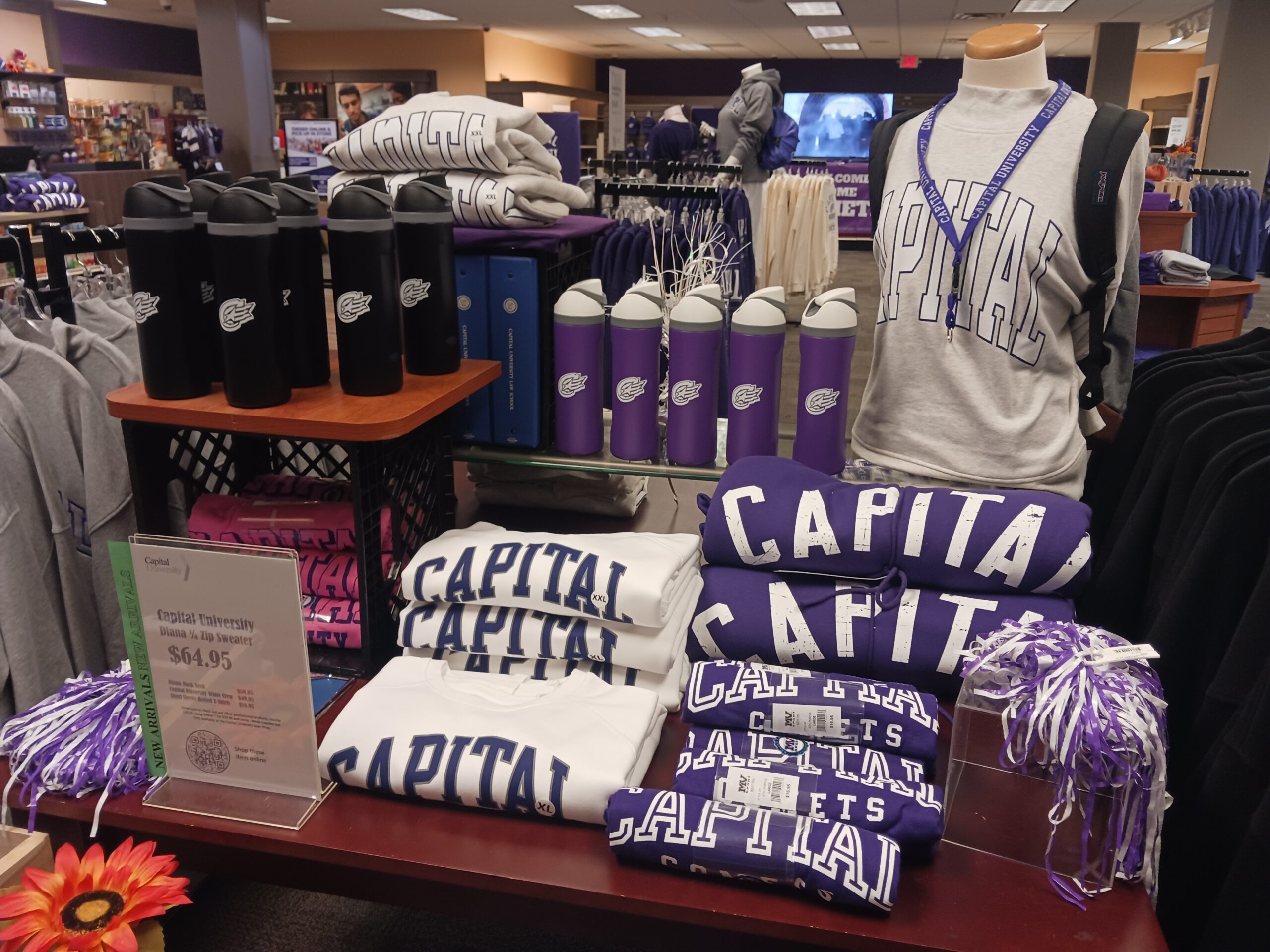
Recent university-affiliated AI-generated marketing materials were deleted after students and university alumni condemned them.
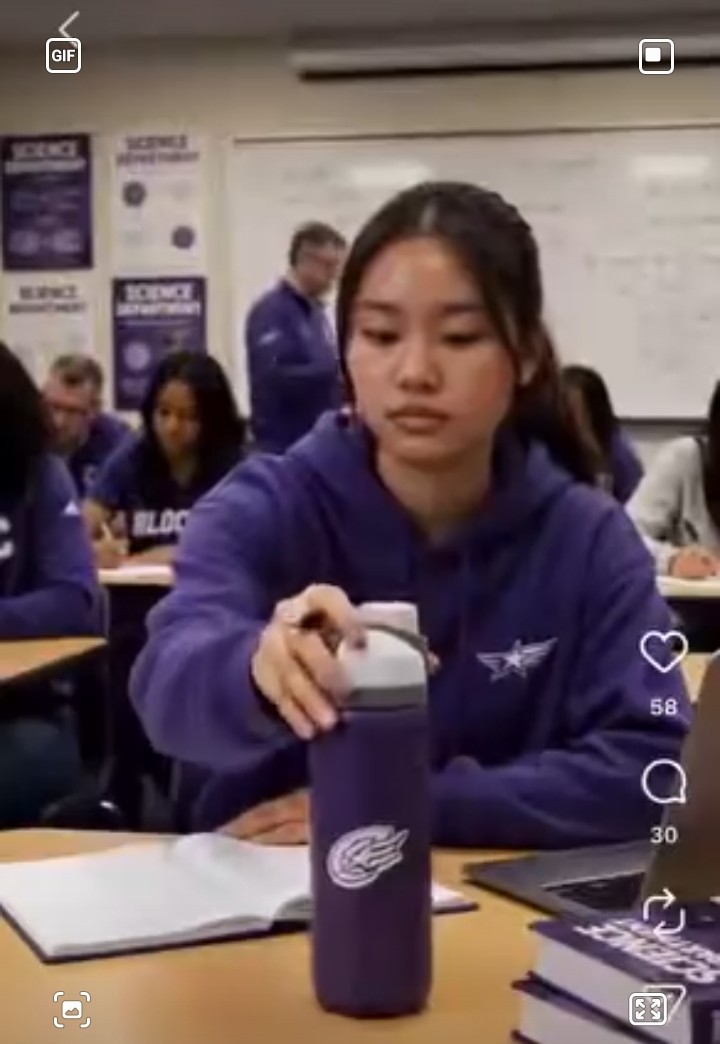
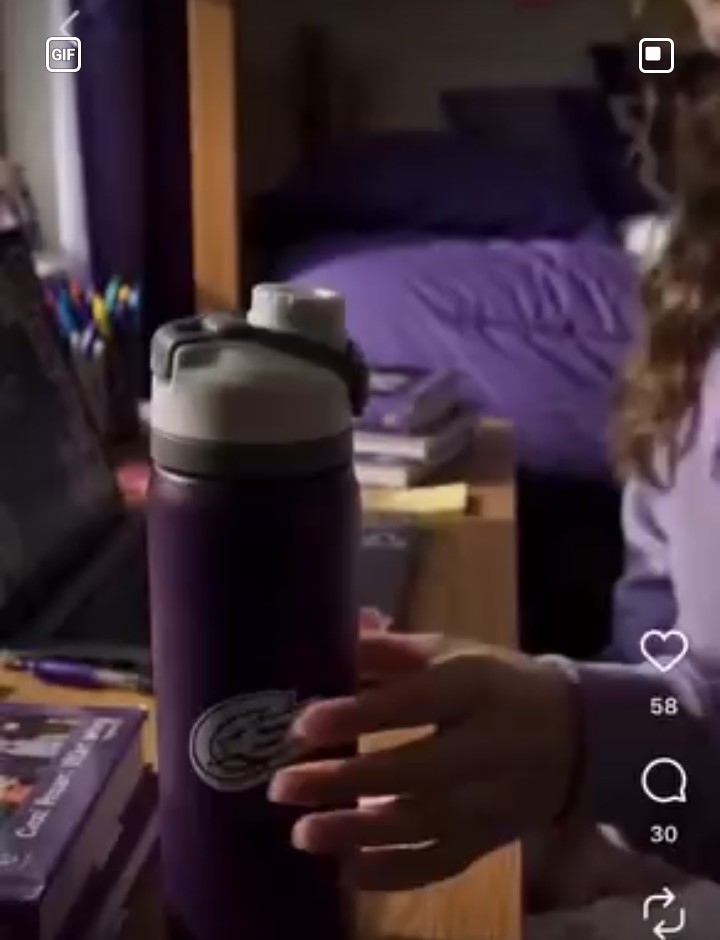
The gear shop’s Instagram account posted a now-deleted AI-generated advertisement for a university-branded water bottle.
After many students left critical comments on the ad, the university’s official Instagram account commented under the video, stating:
“This content does not align with the authentic, people-centered storytelling that we value at [the university]. The Gear Shop is a third-party vendor, and this video was posted without the knowledge of our [university] marketing team.”
“It’s disappointing to see the university use AI because we have film and media students, and I know we could have used students to produce [the AI-generated gear shop ad],” said Maria Bottger, a sophomore media student.
Lorelai Howenstein, a sophomore with a minor in marketing, said the advertisement upset her.
“I was really upset [when I first saw the ad] because it’s an opportunity that was taken away from a student. [The gear shop uses] generative AI instead of bringing [the project] to a marketing student … It was also a misrepresentation of the product because [the water bottle] looked different in a million different frames.”
The AI-generated ad was deleted soon after the university commented.
Gear shop staff declined to comment, stating that they weren’t “allowed” to speak with the Chimes.
Jenn Folden, the university’s director of marketing communications, claimed the marketing department does not directly oversee any departmental social media accounts.
“Social media accounts for university departments and offices are run by individuals within those areas, and posts do not require approval from the marketing team,” Folden said in an email statement.
“The marketing team has been providing educational, social media workshops to campus employees, such as at our Fall Forum, and with various divisions, most recently with academics. If the university’s social media policy is violated, we reach out directly to the account manager to discuss the issue.”
“This was the case with the gear shop’s post, in which they had been instructed not to use AI, and when we were made aware, a takedown request was immediately issued,” Folden continued. “The gear shop can make its own independent decision about whether any of its employees can speak with [the Chimes],” Folden continued.
Folden said that while the marketing team does not use AI for media generation, it may be used for editing efficiencies–a practice they have used for at least two years.
“Our social media manager and [myself] met with the gear shop manager last week to discuss the video and expectations moving forward … It was determined that the gear shop would not use AI-generated imagery to create social media posts moving forward,” Folden continued.
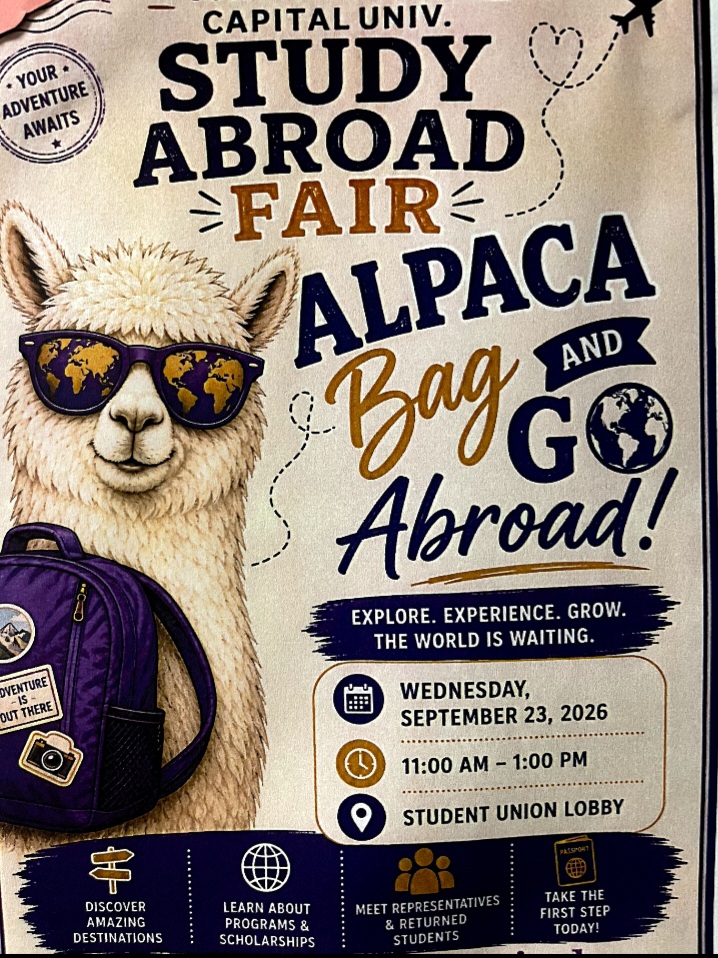
Around the same time that the gear shop ad was posted, an AI-generated physical poster advertising a study abroad fair was hung up in various places on campus.
Despite Folden’s claim that the university does not approve Ai-generated materials, residential assistants were instructed by the Office of Residential and Commuter Life to hang up the posters.
One residential assistant, who chose to stay anonymous due to fear of retribution, said he was told to put the poster up despite his personal stance against it.
“They put the [study abroad posters] in our mailbox, so we have to put them up,” he said.
“I put it on my board … I put a note that said, ‘I did not make this.’ [The AI-generated poster] got torn down instantly,” he said.
The AI-generated posters were eventually removed and replaced with a non-AI poster.
Center for Global Education faculty have not responded to the Chimes’ request for comment.
“The Center for Global Education did not receive direct concerns from students about the flyer; however, the office was aware of broader campus conversations surrounding the use of AI-generated materials and, in light of those conversations, made the decision to replace the original flyer with a revised version that did not use AI-generated imagery,” Folden said.
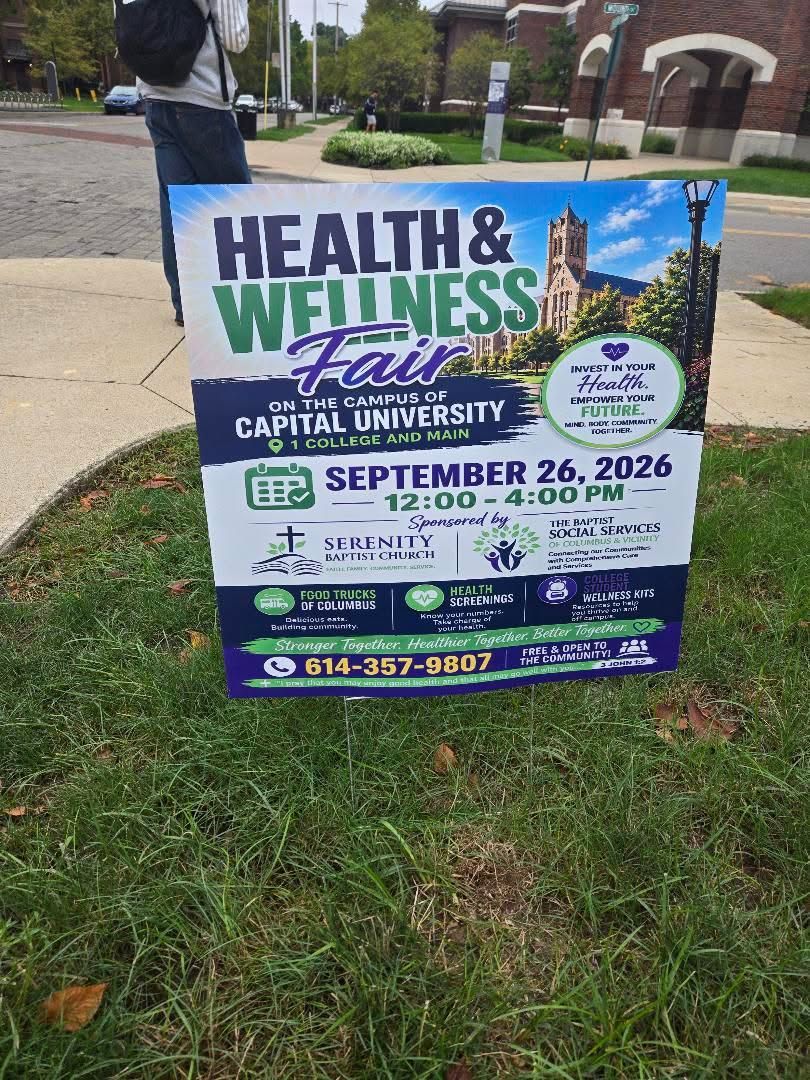
The latest piece of AI-generated media on campus were signs advertising a health and wellness fair to be held on campus.
Jon Geyer, assistant vice president for student experience, confirmed that a third-party created the sign and held the event. Geyer did not specify who said third-party was.
The Center for Health and Wellness (CHW) has an established partnership with the Ohio State University Wexner Medical Center. All CHW appointments require third-party scheduling through the Ohio State Wexner Medical Center website.
“Marketing does not currently review or approve all signage posted on campus, including signage created by third-party organizations,” Folden said. “However, this situation has highlighted an opportunity in our current process and the need for clearer, more consistent standards for materials displayed on campus, particularly when a third-party event or organization could reasonably be perceived as affiliated with [the university].”
Folden claimed that no university funds were used to generate AI media.
